SBA's proposed size standard rules draw 1,200-plus comments… and counting
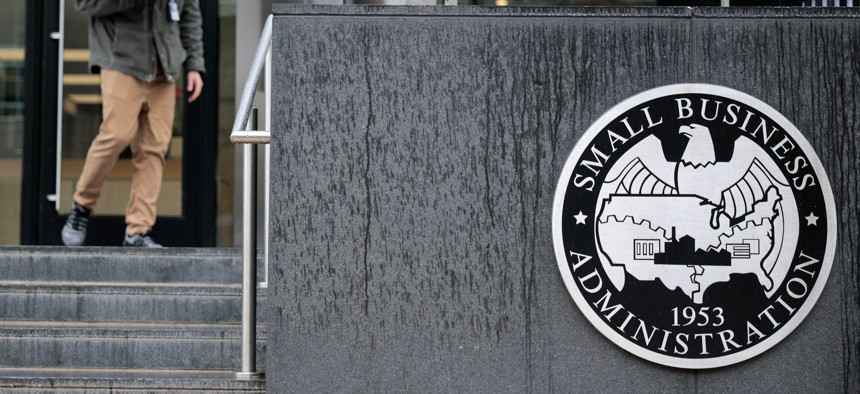
Gettyimages.com/Chip Somodevilla / Staff

 By
Nick Wakeman
Many oppose raising the thresholds, but there are plenty of supporters too. Industry has one more month to tell the Small Business Administration what they think.
The deadline for comments on the Small Business Administration’s proposed business size standards is still roughly a month away, but the agency has received around 1,200 comments on the two rules.
One proposed rule would raise the methodology for determining what size standard a business falls into. This first proposed has received 979 comments.
A second proposed rule dictates how the methodology will be applied to rewrite the standards. This second proposed rule has received 352 comments.
When first releasing the proposals in August, SBA said these rules would add 115,000 companies to the field of small businesses.
SBA originally set a 30-day comment period that was to end Sept. 21, but the agency has since extended the comment period to Nov. 20 after its Office Advocacy released a new estimate that found the rules would only add 4,000-to-6,000 more small businesses.
In reading through the comments, we found several that expressed some doubts over whether the lower numbers are accurate and also questioned SBA’s competency.
“An agency cannot credibly claim to have done the analysis required to justify removing size standard ceilings and reclassifying entire industries when its own internal estimate of the rule’s basic effect swings by a factor of nearly twenty. That is not sound rulemaking. That is a guess dressed up as a rule,” one commenter wrote.
In a show of skepticism, many of the commenters continue to quote the 115,000 number. At least one said that even if 6,000 is the correct number, that is still a significant increase.
Most of the commenters oppose the changes SBA proposed and because the newly-designated, larger small businesses will have more resources and infrastructure.
“Larger contractors have greater purchasing power, dedicated estimating departments, established bonding capacity, extensive staffing resources, and the financial ability to absorb risks that can be significant for smaller businesses,” one commenter wrote.
SBA’s proposals include reducing the number of NAICS codes used to categorize the industry a company belongs to. According to some commenters, that will result in the government lumping significantly different companies into the same broad industry category.
Not all commenters oppose the proposed standards. Several praised SBA’s effort to simplify and streamline size determinations.
Some said the proposed changes will help current small businesses have more runway to develop before competing in the full-and-open market.
“Raising the standards will provide successful small businesses additional room to grow, develop capabilities, and better prepare to compete in the unrestricted marketplace before losing their small business status,” wrote one supporter.
Several commenters are also asking SBA to take more specific actions, such as releasing more of the analysis it has done in developing the rules. One asked for more detailed data on the impact the proposed rules will have on service-disabled/veteran-owned small businesses.
Other commenters expressed support for SBA's idea to reform the size standards, but believe agency had gone too far. A second suggested that SBA create tiers of small businesses, rather than just small and not small.
The comments we read show a range of viewpoints with most opposing the changes, but it does not appear to be an overwhelming majority in opposition to the proposals.
There seems to be a sense that the size standards are going to change, so the question is how open is SBA to making changes.
Bottom line: it is not too late to voice your concerns and make your suggestions. The deadline is Nov. 20.
Follow this link to comment on the proposed size standards. Click this link to comment on the proposed size standard methodology.
Also listen to this WT 360 episode from September featuring Stephanie Kostro, president of the Professional Services Council, where the conversation starts with her analysis and perspective on SBA's proposal. PSC is encouraging its member companies to submit comments, Kostro told us.