Marking the first time digital signature technology has been used in an official cabinet-level capacity, Secretary of Energy Spencer Abraham signed a formal recommendation on Yucca Mountain Project and e-mailed it to President Bush Feb. 15, according to authentication provider VeriSign Inc., which supplied the service.
"The frontiers of science are defined by our technologies," said John Marburger, the chief science adviser for the Bush administration, during a Washington science writers meeting Jan. 7. "You push the frontiers back when the technology to study complexity improves."
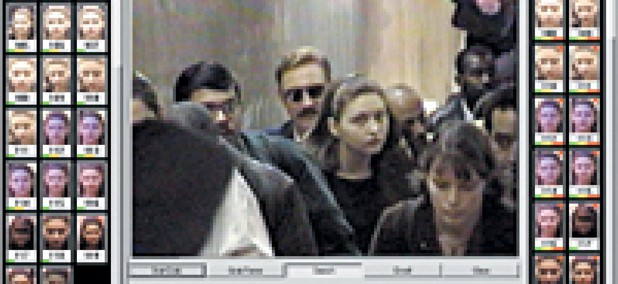
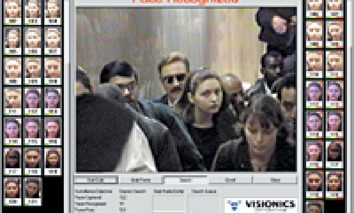
Problems with the first major deployment of facial recognition software by a major U.S. police department are raising questions whether its capabilities have been oversold.
Mike Linett, president of Zerowait, a Newark, Del.-based storage integrator, put the problem simply: "Our customers ... have been asking us for years why they can't have the best of both worlds: the simplicity of network-attached storage [NAS] and the scalability of storage area networks [SAN.]
Pervasive-computing systems could make even conference rooms brainy, according to the Smart Space Laboratory researchers at the National Institute of Standards and Technology.
The General Services Administration's recompete for the FirstGov search engine contract shows the increased sophistication that government needs from its query tools.
NeuStar Inc., Washington, is holding a public trial of an Internet Engineering Task Force-defined mapping protocol that links telephone numbers with online resources.
Ron Simmons became a believer in Internet collaboration in 1998 while looking for a way to track research funded by the Federal Aviation Administration's human factors office.
Jon William Toigo says it can be argued that security specialists have conceded the public network infrastructure to the bad guys: the hackers, script kiddies, computer criminals and anyone else with a Pentium PC and an ax to grind. The alternative ? securing the public network itself ? has seemed a virtually impossible task. Securing the network, however, is what Victor Sheymov, a former KGB major and cryptography expert who defected to the United States in 1980, has sought to do since forming Invicta Networks.
Even computer-savvy users of the Web site for the Department of Inspections, License and Permits in Harford County, Md., wouldn't suspect they're interacting with a legacy computer system when they apply for permits.