State and local governments will be seeking several billion dollars in federal grants and aid to help them with emergency preparedness, disaster prevention and other homeland security initiatives.
With the demand for cybersecurity professionals outstripping supply, high-tech companies and government agencies are using innovative programs to recruit and train workers with specialized skills in information security.
Within hours of the attacks on the World Trade Center and Pentagon Sept. 11, Unisys Corp. officials were huddling to discuss how the terrorist attacks would change the dynamics in the federal market.
iXP Corp.'s contract to maintain the emergency 911 system for the New York City Police Department allows the company exactly 5.26 minutes of downtime each year. That's less than one second every 24 hours.
President Bush's $20 billion emergency appropriations request is loaded with funding proposals for information technology initiatives to bolster computer security, improve airport security and provide training to counter biological and other threats.
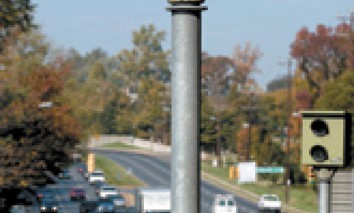
Red-light camera systems are enjoying increasing public acceptance as a cost-effective way to reduce traffic accidents, despite complaints that the systems constitute a shakedown of motorists by local governments and the makers of the systems.
Imagine this scenario: Upon arrival at the airport, you show the ticket agent your government-issued identification card, place your thumb in a fingerprint reader to verify your identity, and it gets checked against a database of known terrorists.