Parsons is adding 600 employees through this transaction, which also further grows the company's presence across intelligence programs and the Indo-Pacific region.
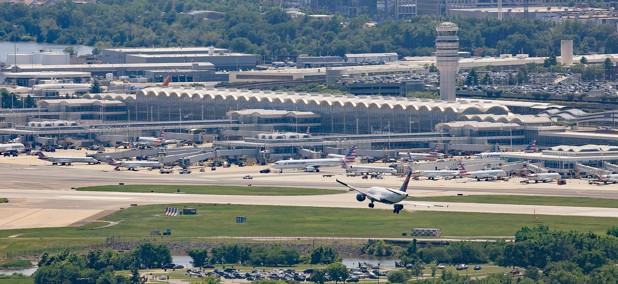
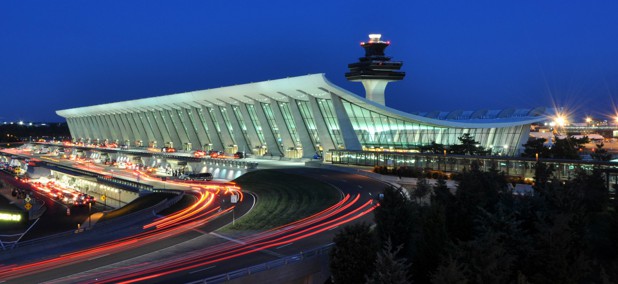
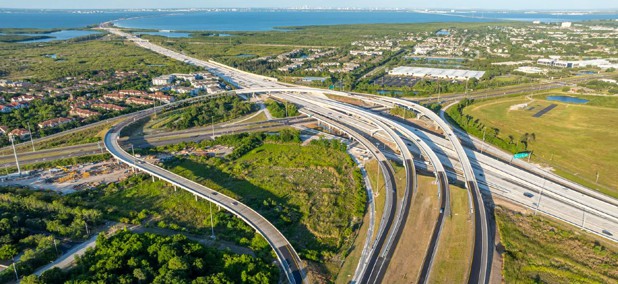
The Transportation Department is pushing hard for the new system to go online in 2028, with a price tag for modernization that could reach $31.5 billion.
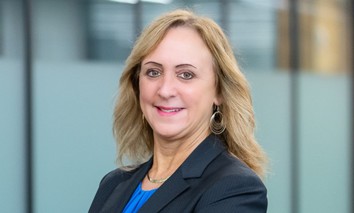
Parsons and Peraton are in a head-to-head showdown for the Brand New Air Traffic Control System, a contract worth billions. In talking with Wall Street, CEO Carey Smith highlights how the effort is funded by the One Big Beautiful Bill.
Parsons has increasingly used acquisitions as a way to evolve its critical infrastructure business in the same way it has done for the federal business.
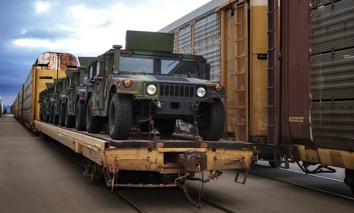
The Defense Threat Reduction Agency uses this program to acquire research, training and other professional services to help partner countries fight the proliferation of weapons of mass destruction.
In talking with a Wall Street audience, chief executive Carey Smith explains why Parsons is not counting on anything from that program. Then the conversation turns to air traffic control modernization and missile defense work, including potentially Golden Dome.
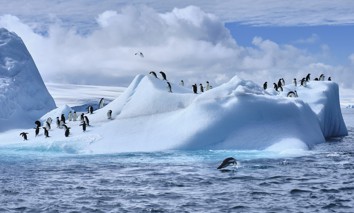
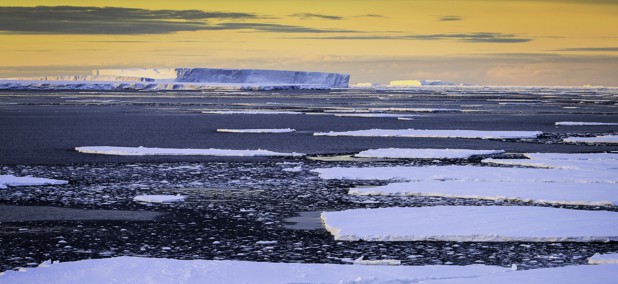
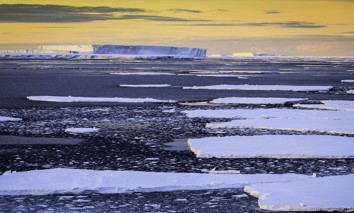
The National Science Foundation has maintained its presence on the southern continent since 1959 and Leidos has held the current contract to work there since 2011.
While in the minority, this group of serial buyers requires a different sort of attention and conversation given that they are publicly-traded and have to explain it all.
In talking with Wall Street, CEO Carey Smith highlights the Air Force's ground-based nuclear missile replacement program and "Iron Dome for America" as key watch items for the company.
Digital twins are a big portion of what Parsons leans on to find commonalities between its federal and infrastructure segments, as CEO Carey Smith put it for investors.
The Defense Department now has 41 companies involved in this program focused on the preservation and sharing of information and knowledge related to military technology.