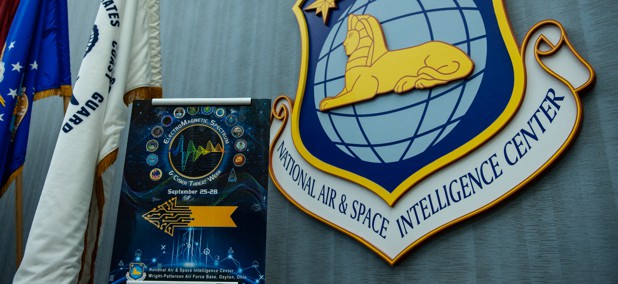
Defense Under Secretary for Research and Engineering Emil Michael said new agreements with Big Tech companies are a “counterstatement” to the ongoing Anthropic-Pentagon conflict as the agency prioritizes flexible contracts.
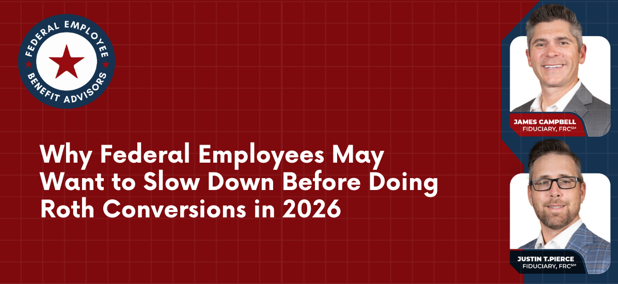
Roth conversions sound urgent—but timing is everything. Federal employees risk higher taxes, Medicare costs, and lost benefits without a smart, multi-year strategy.
Add this commercial satellite operator to the list of GovCon companies that achieved their initial goals by tapping into the public markets for new capital.
From inventory support to DARPA's $282M benchmarking initiative, here's where the opportunities are — and what to avoid, write immixGroup’s Joshua Iseler and Grier Egan.
Agencies won't unlock AI's potential until they treat their existing data as a strategic asset, not an administrative burden, writes Tyler Morris of Iron Mountain Government Solutions.
Complaints about the Army's handling of the tech and professional services vehicle center on ambiguities and alleged poor quality of responses to industry questions.
The Homeland Security Department has obligated $1.8 billion in order volume in the current iteration and is preparing a final solicitation for the next one.
Ongoing drafts of policy documents feature language that would limit the private sector’s ability to dictate how their artificial intelligence models are used in government missions, according to sources familiar with their development.
Workday's federal chief Lynn Martin tells us that policy, technology and administration priorities are aligning at the right time for the human capital software company.