artificial intelligence



Siemens joins Genesis Mission
The infrastructure technology company is the latest to jump on the Genesis Mission.


NATO wants AI that can get in the enemy’s head
Allied Command Transformation is seeking agentic artificial intelligence tools to disrupt enemy decision-making and shape the cognitive battlefield.
Microsoft takes Anthropic's side in DOD fight, warns it sets a new precedent
In a court briefing, Microsoft argues the Defense Department is using a national security policy designed for foreign adversaries against a U.S. company over a contract dispute.
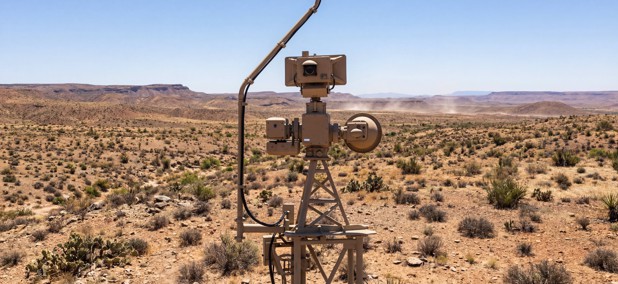

AI-enabled watch towers set to proliferate along the border
GDIT pitches autonomous station with better sensors, more computing power.


What the Anthropic-DOD breakup teaches government contractors
The warning signs were surely there long before the public feud, and versions of this conflict play out in GovCon every year, writes BD expert Nic Coppings.

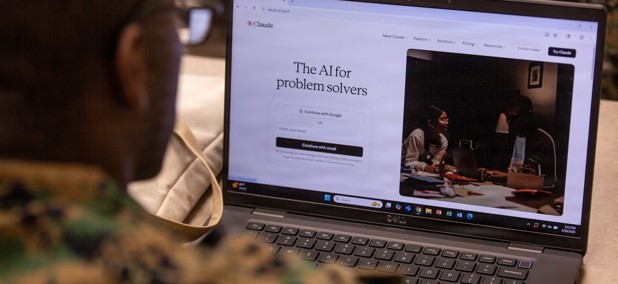
Meet the startups trying to build military-specific AI
The Anthropic-Pentagon feud revealed a giant gap between what giant frontier models do and what troops actually need.
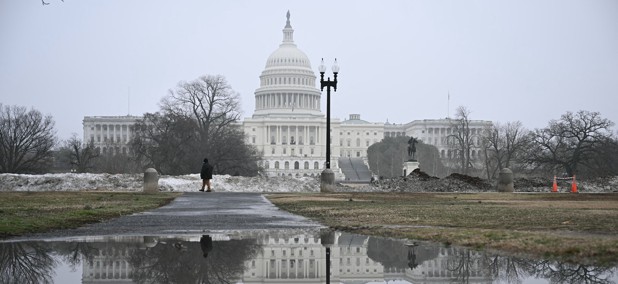
Private sector, former military leaders urge Congress intervene in Pentagon-Anthropic dispute
Over 30 former military officers and individuals working in tech sent a letter to congressional leadership expressing concern over the Pentagon-Anthropic dispute and asking for lawmakers to take action to reign in executive power and set AI guardrails.

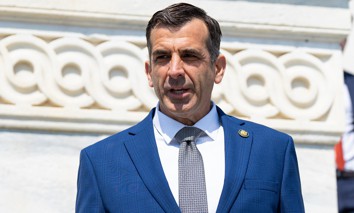
House amendment responding to Pentagon-Anthropic conflict fails committee vote
Lawmakers split over an amendment to the Defense Production Act from Rep. Sam Liccardo, D-Calif., that would have prohibited the government from blacklisting firms opposed to their tech being used in certain situations.
Agencies begin to shed Anthropic contracts following Trump’s directive
Officials from the departments of Treasury, State and Health and Human Services confirmed they would be acting to comply with the White House mandate.
What rights do AI companies have in government contracts?
It depends on the acquisition pathway, the contract type and the contract terms.

Breaking News